Probate & Estate Transitions Guide · Colorado Springs
2026 Estate Updates for Colorado Families: Probate Limits, Beneficiary Deeds, and Your Inherited Home

The rules around settling a Colorado estate changed quietly over the last two years, and the dollar limit families hit most often moved as well. This article walks through the 2026 small estate affidavit limit, how beneficiary deeds work and what changed for them in 2025, and how stepped-up basis protects inherited homes, so heirs, executors, and trustees in Colorado Springs know where they stand.
Key takeaways
- For a death in 2026, the Colorado small estate affidavit limit is $88,000 (it was $86,000 for 2025 deaths), still far below the value of most homes.
- Beneficiary deeds must be signed, notarized, and recorded before death, and 2025 changes tightened execution and recording rules, so older deeds deserve a compliance check.
- An inherited home gets a stepped-up basis to its value at the decedent's death, so selling soon usually means little or no capital gain.
The small estate affidavit limit moved again
Colorado's small estate affidavit (C.R.S. 15-12-1201) lets a family collect the assets of a modest estate without full probate. For deaths in 2026 the limit is $88,000, up from $86,000 for deaths in 2025. The number moves most years, so ask your attorney for the current figure rather than relying on something you read years ago.
Here is the catch for homeowners: a home titled only in the decedent's name almost always exceeds the limit, which means real estate still needs probate, or a valid beneficiary deed, before it can be sold. The affidavit is a useful tool for bank accounts and personal property, not for the house.
Beneficiary deeds: what they require, and what changed in 2025
A Colorado beneficiary deed, sometimes called a transfer-on-death deed, must contain language saying the property conveys on death, and it must be signed, notarized, and recorded in the county recorder's office before the owner dies. An unrecorded deed is ineffective. The owner can revoke or replace it at any time, with no notice to the beneficiary required.
Colorado's 2025 legislative updates tightened the execution and recording requirements around beneficiary deeds, so families with deeds drafted years ago should have an attorney check them for compliance. One common tripwire: if a joint tenant signs a beneficiary deed alone, it is effective only if that owner is the last surviving owner of the property.
Stepped-up basis still protects most inherited homes
Under federal law, an inherited home's basis steps up to its fair market value on the date of the decedent's death. Colorado has no estate tax and no inheritance tax. For a family that sells the home near that value, there is usually little or no capital gain to report, because the sale price and the stepped-up basis are close.
Keep the paperwork that establishes the value at the date of death, whether from an appraisal, a broker opinion, or the estate accounting. That documentation is what protects the tax outcome if the home sells later.
What this means if you are selling a home from an estate
The order of operations matters. Get the authority right first: confirm whether the estate is in probate, whether a valid beneficiary deed names the heirs, or whether a personal representative has been appointed. The attorney maps the legal path, the court provides the authority, and the listing agent runs the sale, and all three can move at the same time.
In practice, heirs do not have to wait for the estate to close before the home is prepared, priced, and shown. A probate-experienced agent coordinates the sale with the attorney's timeline, which is exactly the kind of situation Juanita handles regularly as a Certified Probate Expert.
When to get specific advice
Every estate is different: the deed structure, the family situation, the financing, and the timing all change the answer. The rules in this article are current as of fall 2026, and they are general information, not legal advice for any specific estate.
If you are an executor, heir, or trustee in Colorado Springs, bring the deed and the will or trust to a probate attorney, and bring the property questions to an agent who has sold estate homes before. A thirty-minute conversation usually produces a clear sequence: what to file, what to fix, and when to list.
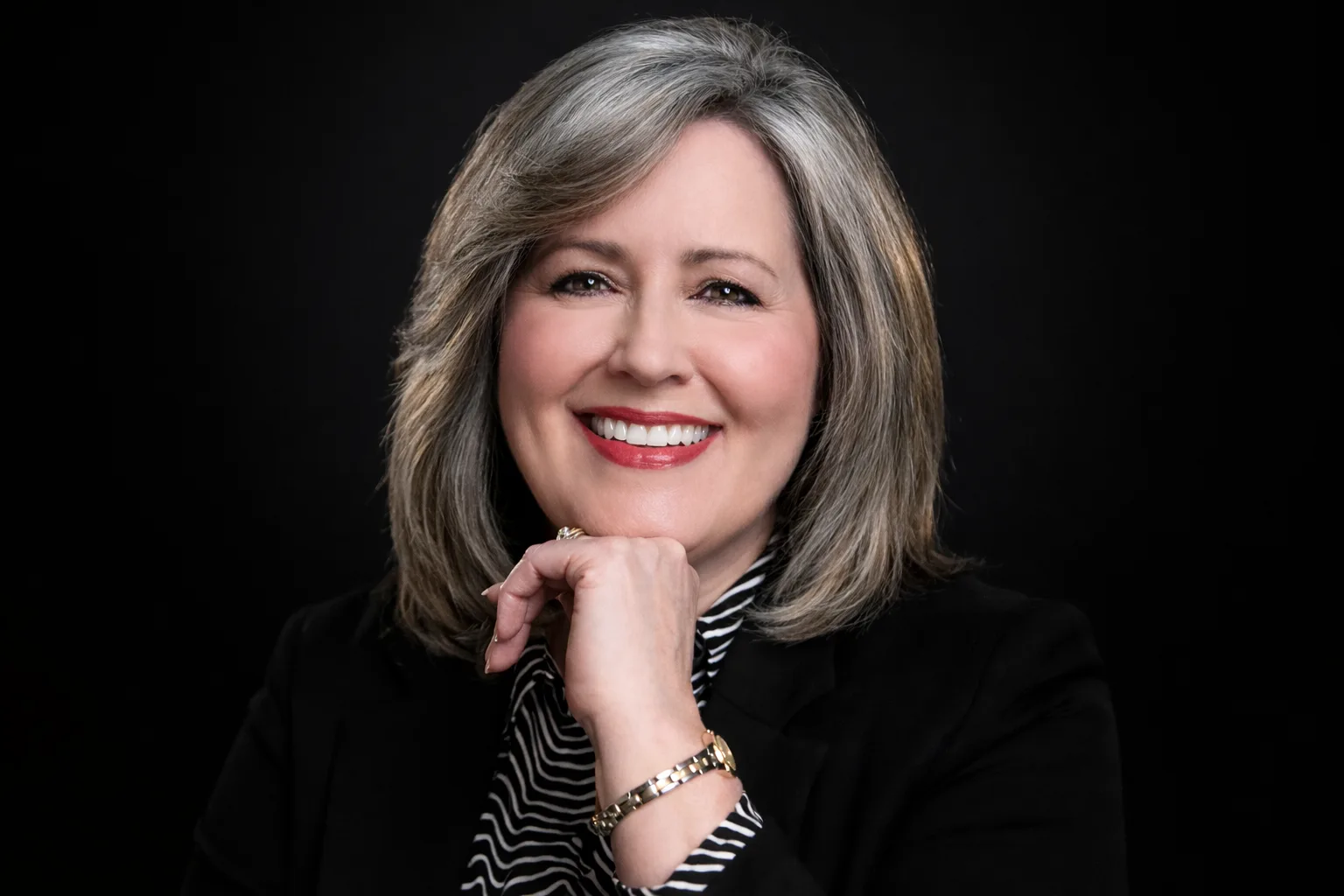
Written by Juanita Simkins
Realtor & Advisor, Broker Associate with eXp Realty in Colorado Springs. 22 years guiding local downsizing, estate, and probate transitions, including a Certified Probate Expert designation.