Downsizing & Rightsizing Guide · Colorado Springs
VA Home Loans in 2026: A Guide for Colorado Springs Military Families

VA home loans keep their most valuable features in 2026: no down payment, no private mortgage insurance, and competitive rates backed by a VA guarantee that, for a borrower with full entitlement, carries no dollar cap. This guide explains the benefit in plain language for Colorado Springs military families: the numbers that matter, the one-time funding fee and who is exempt from it, how a VA loan can pass to a qualified buyer who assumes it, and how the loan fits a PCS move around Fort Carson, Peterson, Schriever, and the Air Force Academy. It is general information meant to help you ask better questions, not a loan decision: your eligibility, your entitlement, and your exact fee depend on your own records, so confirm the details with the VA and a VA-approved lender before you rely on any figure.
Key takeaways
- VA purchase loans require no down payment and no private mortgage insurance, and with full entitlement the VA guarantee carries no dollar cap on the loan amount.
- The funding fee is a one-time charge, usually financed into the loan: 2.15% for a first-time use with less than 5% down and 3.3% for later use, with full exemptions for veterans receiving VA disability compensation, many surviving spouses, and active-duty Purple Heart recipients.
- VA loans are assumable: a qualified buyer can take over your rate, balance, and remaining term, and only another eligible veteran can substitute their entitlement, which is a real negotiating card when you sell during a PCS.
What a VA loan actually is
A VA home loan is a mortgage made by a private lender, with a guarantee from the U.S. Department of Veterans Affairs behind part of it. The VA does not lend the money; it guarantees about a quarter of the loan to the lender, and that guarantee is what unlocks the terms that make the program so useful to military families.
Because the guarantee covers part of the lender's risk, VA purchase loans require no down payment, no private mortgage insurance, competitive interest rates, and limited closing costs. You can finance the full appraised value of the home, as long as the sales price is not above the appraisal. The other side of the trade is the funding fee, the one-time charge covered in the next section.
The 2026 funding fee, in plain numbers
The funding fee is a one-time cost charged on most VA loans, and it can be financed into the loan so it does not have to come out of pocket. The rates in effect for purchases in 2026, unchanged since 2023, are set by the VA, so they are the same at every lender:
- First use, less than 5% down: 2.15% of the loan amount
- First use, 5% or more down: 1.5%; 10% or more down: 1.25%
- Later use, less than 5% down: 3.3%
- Later use, 5% or more down: 1.5%; 10% or more down: 1.25%
- Streamline refinance (IRRRL): 0.5%
- Assumption of an existing VA loan by another buyer: 0.5%
Who pays the funding fee, and who is exempt
The fee is waived entirely for some borrowers. Veterans receiving VA disability compensation are exempt, as are surviving spouses of veterans who died in service or from a service-connected disability, active-duty Purple Heart recipients, and certain other groups. When the exemption applies, the fee is simply not charged.
The lender works through the exemption at closing using VA records, so ask early and get the answer in writing. Do not assume the exemption based on a conversation or a general article, including this one; your lender and the VA are the only authority on your file.
What the no-down-payment benefit means for a move
For a family buying at a new duty station, financing 100% of the home means the savings set aside for the move itself survive the home purchase, and skipping private mortgage insurance removes a monthly cost that conventional loans with less than 20% down usually carry.
The trade-offs to plan for: the funding fee adds to the loan balance, so compare total costs rather than just the payment, and the loan is built around the VA appraisal, so a home that appraises below the agreed price needs renegotiation rather than extra financing. Those are normal parts of the process when the agent and lender both know the program.
Assumability: the feature that matters most when you sell
VA loans are assumable. A qualified buyer, including a non-veteran who meets the lender's credit and income standards, can take over your loan at its existing rate, balance, and remaining term, subject to lender and VA approval. In a year when new mortgage rates are higher than the rate on your existing loan, an assumable VA loan genuinely widens the pool of buyers for your home, because the buyer inherits a better rate than they could get on a new mortgage.
The two catches are worth knowing before you count on it. First, the assumption carries its own 0.5% funding fee, with the same exemptions as the purchase fee. Second, if a non-veteran assumes the loan, your VA entitlement stays tied to that loan until it is paid off; only another eligible veteran can substitute their entitlement. If you expect to use your VA loan again at the next station, talk through the assumption with your lender before you advertise it.
How it fits a Colorado Springs PCS
Colorado Springs is home to Fort Carson, Peterson Space Force Base, Schriever Space Force Base, and the U.S. Air Force Academy, and military families here move on orders and leave dates, not the spring listing season. The local market makes that easier right now: the September 2026 market check on this site showed more active listings than the Springs has seen in September in years, homes selling at a steady pace, and mortgage rates that make a VA loan's rate advantage more valuable than ever.
On the selling side, a VA loan in your home's history is a feature to market, especially if the rate is below today's. On the buying side, the no-down-payment benefit plus the lack of PMI lowers the entry cost for the next home. Juanita Simkins holds the Certified Military Relocation Specialist designation and has coordinated moves around every local installation, including working with VA buyers and sellers and the lenders who know the program.
Start with your own numbers
Before you build a move around a VA loan, get the facts for your specific situation: request your Certificate of Eligibility, talk to a VA-approved lender about a pre-approval, and confirm your funding fee exemption status in writing before closing. VA.gov is the authoritative source for the program's rules, and rates and eligibility can change.
No real estate agent, and no article, can decide your eligibility; that belongs to the VA and your lender. And if your move touches an estate, a will or trust, or a power of attorney, those questions belong with a qualified Colorado attorney as well.
What this means for your move
The practical read: the VA benefit is strong in 2026, the fee rules are knowable and worth planning around, and assumability is a genuine card for sellers negotiating in a higher-rate market. The right next step is a conversation that runs your actual numbers: your orders window, your current home, and the home you want on the other side.
Juanita Simkins has guided Colorado Springs military families through PCS moves for 22 years as a Broker Associate with eXp Realty. A short call costs nothing and produces straight answers. Reach her at 719-749-1601, email realtorjuanita@gmail.com, or book a consultation at https://www.calendly.com/JuanitaSimkins.
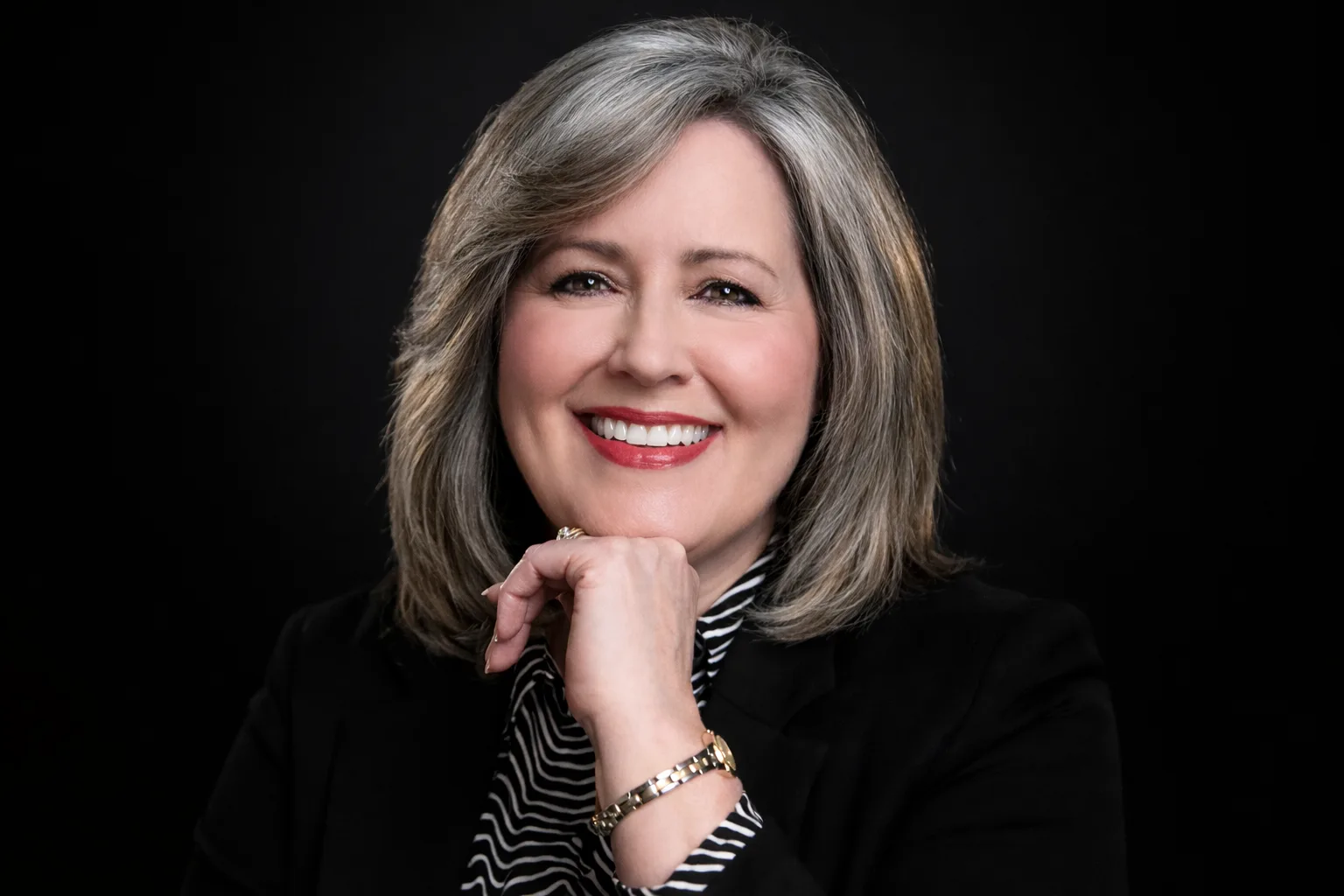
Written by Juanita Simkins
Realtor & Advisor, Broker Associate with eXp Realty in Colorado Springs. 22 years guiding local downsizing, estate, and probate transitions, including a Certified Probate Expert designation.