Probate & Estate Transitions Guide · Colorado Springs
Wills and Trusts in Colorado: How Your Home Passes to Your Family

For most Colorado families, the home is the largest asset they own, and what happens to it at death is decided less by sentiment than by one practical fact: how the deed is held. If a home sits in one person's name alone, it almost always has to pass through Colorado probate court, where a court order, not a family discussion, transfers the title. This guide explains the routes a Colorado home can take after its owner dies: what probate involves, what a surviving spouse inherits when there is no will, what a will and a living trust each do and do not accomplish, and how a Colorado beneficiary deed can pass a home directly to a named person with no court proceeding at all. It is general information meant to help you ask better questions, not legal advice; estate documents should be prepared and reviewed by a qualified Colorado attorney.
Key takeaways
- A home owned in one person's name alone normally requires Colorado probate to transfer title. Real estate cannot be moved with the small-estate affidavit, which for 2026 covers personal property up to $88,000.
- Without a will, Colorado law sets the surviving spouse's share: the entire estate in the common case of a married couple with shared children, with statutory base amounts plus a share of the balance in blended-family cases, and the dollar figures adjusted for inflation each year.
- A Colorado beneficiary deed signed, notarized, and recorded while the owner is alive passes the home directly to a named beneficiary at death with no probate, and a revocable living trust avoids probate only when the home is actually deeded into the trust.
The one fact that decides the route: how the deed is held
Every path a home can take after its owner dies starts with the same question: whose name is on the deed, and how is that ownership held? A home owned only in one person's name, with no co-owner and no planning document, becomes part of that person's probate estate at death. A home held in joint tenancy with right of survivorship, deeded into a trust, or covered by a recorded Colorado beneficiary deed passes outside probate entirely, by operation of the ownership form itself.
This is why the phrase "the house needs to go through probate" is really about paperwork, not about the home being complicated. The house is the same house; what changes is the legal path the title takes to the next owner. Colorado has also abolished the old common-law rules of dower and curtesy, so a spouse has no automatic ownership right to the home just by being married. The spouse's protection comes from the probate code itself, which is why the rules in the next sections matter so much.
What probate is, and why a house almost always needs it
Probate is the court-supervised process for transferring a deceased person's assets. For a home, the will, if there is one, is filed with the district court probate division in the county where the person lived. The court validates the will and appoints a personal representative, the modern term for executor. That representative takes control of the home, files an inventory of the estate, gives creditors their legal notice window, pays valid debts, and finally distributes the property to the heirs or sells it under the court's authority. From filing to closing, a straightforward Colorado probate typically runs about six to twelve months, the file becomes a public record, and the costs, including filing fees and often attorney work, can run into the thousands.
One common misunderstanding deserves its own line: the small-estate shortcut. Colorado allows an heir to collect assets with a simple affidavit when an estate is small, and for deaths in 2026 that limit is $88,000, up from $86,000 for 2025. But the affidavit applies only to personal property such as bank accounts and vehicles. Real estate cannot be transferred by affidavit. Even a modest Colorado home, if it sits in one person's name alone, normally requires a probate proceeding or must be covered by one of the probate-avoidance tools below.
What happens if there is no will? The surviving spouse's share
If a homeowner dies without a valid will, Colorado law decides who inherits under the intestate succession rules of the probate code, and the surviving spouse's share depends on the family structure. The statute sets base dollar amounts that are adjusted for cost of living each year, so the exact figure for a given estate depends on the year of death.
In the most common family situation, a married homeowner whose children are all the surviving spouse's children too, the spouse inherits the entire estate, which means the home passes to the surviving spouse outright. The same is true when the owner leaves no surviving children or parents. The splits apply in the harder cases: where a surviving child is not the surviving spouse's child, a blended-family situation, the spouse takes a base amount plus half of the balance; where all surviving children are shared with the spouse but the spouse also has children from another relationship, the spouse takes a larger base amount plus half the balance; and where no children survive but a parent of the deceased does, the spouse takes the largest base amount plus three-quarters of the balance.
Two details are worth knowing before a family counts on any of this. An heir must survive the owner by at least 120 hours, five days, to inherit under these rules. And the home only enters the intestate calculation at all if it sat in the deceased owner's name alone: a home held in joint tenancy, in a trust, or under a beneficiary deed passes by the ownership form and never reaches it.
What a will does, and what it does not do
A will says who receives your property, names the person you want to run your estate, and is the only kind of document that can name guardians for minor children. It also gives the family a clear starting point: much of the probate court's work is validating the will and then carrying out its instructions.
What a will does not do is keep your home out of probate. In Colorado, a home owned in your name alone at death goes through probate whether or not you have a will; the will decides who inherits and who administers, not whether the court is involved. The will also becomes a public record once it is filed, and the process typically takes months. A will is an essential document in almost every estate plan, and in most plans it works alongside, not instead of, the tools below.
Beneficiary deeds: the Colorado way to pass a home without probate
Colorado has its own version of a transfer-on-death deed, called a beneficiary deed, and for a single home it is often the simplest way to keep that home out of probate. Under the Colorado Beneficiary Deed Act, you sign a deed that names the person or people who will receive the home at your death, and the transfer happens at death with no court proceeding.
While you are alive, nothing changes: you keep full ownership and control, you can sell or mortgage the home, and you can change your mind at any time. The beneficiary does not sign anything and has no rights to the home while you are alive. Title passes to the beneficiary only at your death, subject to any mortgage or lien on the property.
The requirements matter, because a small mistake can make the deed ineffective. The deed must say it takes effect on death, include a proper legal description and the beneficiary's mailing address, be signed and notarized, and it must be recorded with the county clerk and recorder where the property sits before the owner dies. An unrecorded beneficiary deed does nothing, and the home falls back into probate. No witnesses are required, only notarization. You cannot change or cancel a beneficiary deed in your will; cancellation requires recording a revocation or a newer superseding deed. After the owner's death, the beneficiary records a certified copy of the death certificate, and Colorado law provides a four-month window to do so that protects the title against other unrecorded claims.
A beneficiary deed is not the right answer for every situation, and it does not replace advice about creditors, Medicaid planning, or multiple properties. But for the common Colorado Springs case of a parent who simply wants the house to go to a named child without a court case, it is a genuinely practical tool to discuss with an attorney.
Living trusts: private and court-free, if the home is actually in the trust
A revocable living trust is a legal entity you create during your lifetime, typically naming yourself as trustee, and you fund it by moving assets into its name. A trust that holds your home works much like a beneficiary deed at the moment of death: the successor trustee you name transfers the home to your chosen beneficiaries with no probate proceeding, and the details stay private, which a public will does not.
The catch is funding. A trust only avoids probate for the assets it actually owns. People sign a trust and never deed the house into it more often than you would think, and when the owner dies the home is still in the person's individual name, so it goes through probate anyway, trust or no trust. If you want your house owned by your trust, the deed itself must be changed to name the trust as owner, and the property of course must stay titled correctly as things change. This is one more reason the documents are best prepared by a qualified Colorado attorney rather than assembled from a template.
What this means for Colorado Springs families, and for heirs
In practice, this is the conversation Colorado Springs families have with us every week: a parent has passed, the home is in the parent's name alone, and the family needs to know who can sell it and when. If the home is going through probate, only the appointed personal representative has authority to list and sell, working from the court's letters and, in many cases, with the probate attorney's guidance. If the home passes by beneficiary deed or through a trust, the road is different: the named beneficiary or successor trustee can act without waiting on the court.
For a family already in the middle of it, the real estate side is where an experienced local agent earns a place on the team: pricing an inherited home against current comparables, arranging the sale so it fits probate timelines, and coordinating with the family's probate attorney or trust officer. Juanita Simkins holds the Certified Probate Expert designation and works alongside Colorado probate attorneys, trust officers, and estate sale companies regularly. The legal roadmap belongs to your attorney; the sale itself is where years of local market work come in.
A move is the natural moment to review the plan
If you are planning a downsizing move, a retirement relocation, or a military PCS in the Colorado Springs area, you are already deciding what stays and what goes. The same moment is the ideal time to review wills, trusts, and beneficiary deeds, because a big move changes addresses, banks, and often the ownership of the home itself. Buying the smaller home or selling the family home should update, not just coexist with, the estate documents.
The order of operations matters too. If you are helping a parent settle into a smaller home, moving them into care, or selling a home from an estate, know who holds the legal authority before a listing agreement is signed. That one check, confirming whether the home is in probate, in a trust, or held under a beneficiary deed, determines who can sign and how quickly the sale can happen.
Ask the professionals, then make the plan
Nothing in this article is legal advice. Wills, trusts, and beneficiary deeds are legal documents with real consequences for your family and your home, and Colorado law adjusts some of these rules, including the inflation-indexed dollar amounts, over time. A qualified Colorado estate planning attorney is the right person to draft or review your documents, and the court's forms and the county recorder's office can verify current filing requirements.
The real estate side is where a local professional adds value: determining what your home is worth, preparing it for sale, and running the transaction alongside your estate team. Juanita Simkins is a Broker Associate with eXp Realty, licensed in Colorado, with 22 years guiding families through downsizing, estate, and probate transitions in Colorado Springs, Monument, and Peyton. Call 719-749-1601, email realtorjuanita@gmail.com, or book a consultation at https://www.calendly.com/JuanitaSimkins for a conversation about your home and your plan.
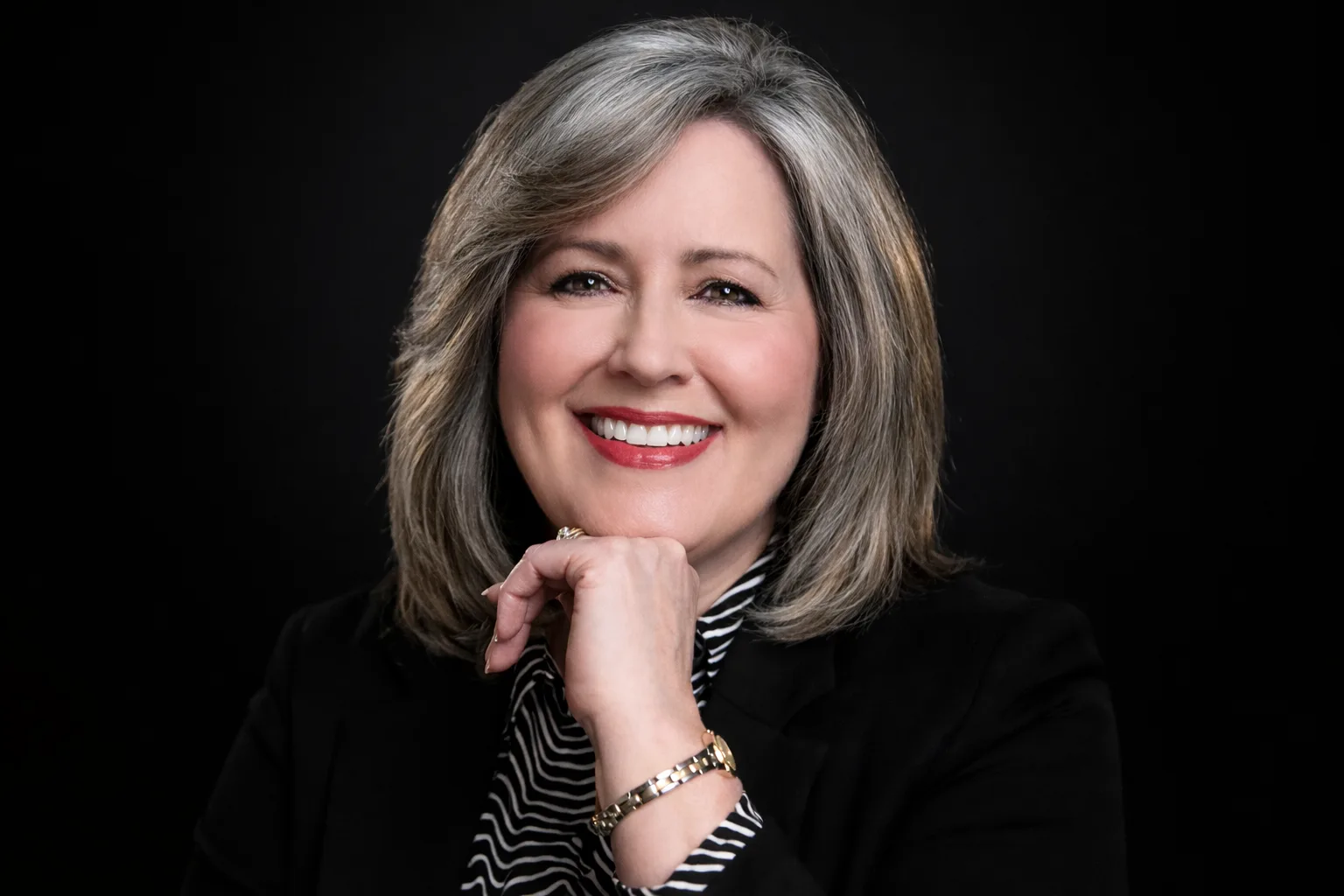
Written by Juanita Simkins
Realtor & Advisor, Broker Associate with eXp Realty in Colorado Springs. 22 years guiding local downsizing, estate, and probate transitions, including a Certified Probate Expert designation.